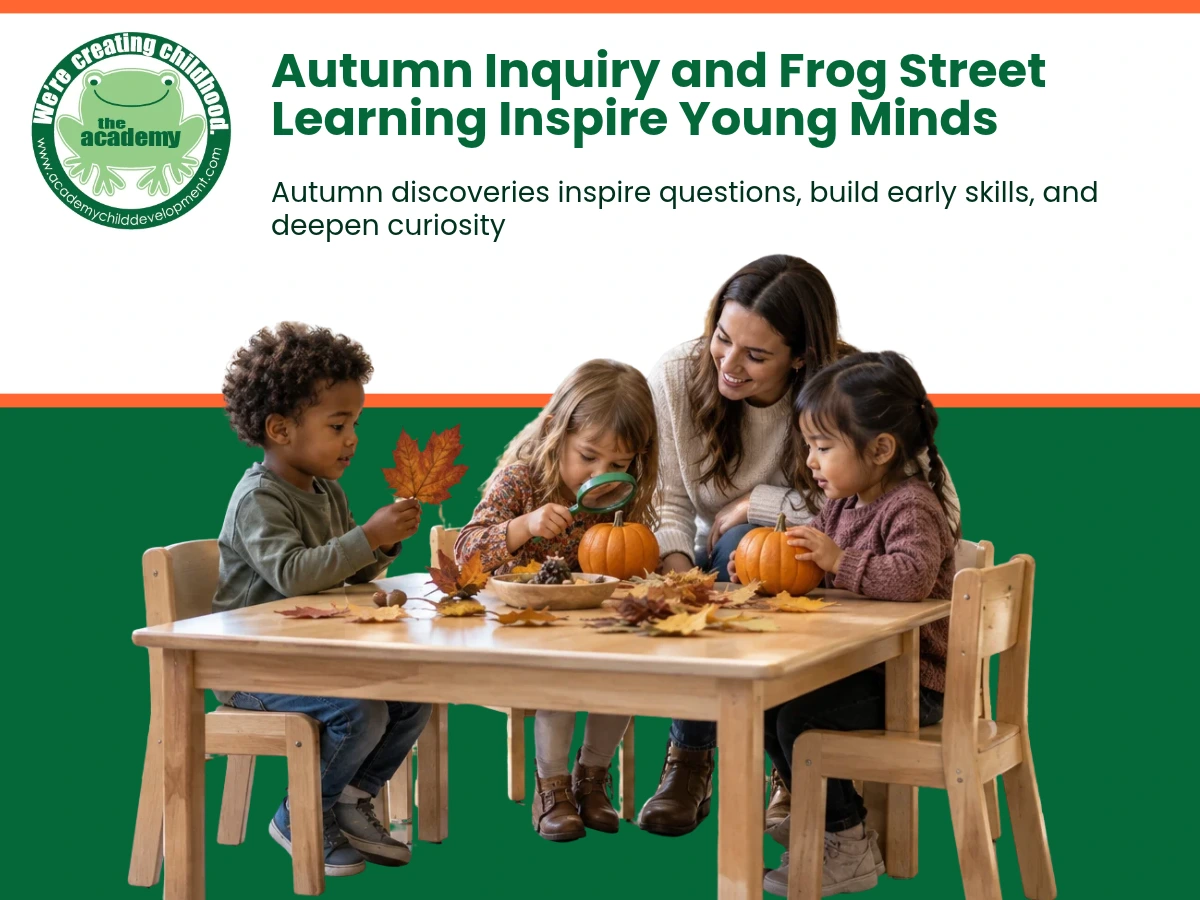
Autumn offers children at a preschool in Murfreesboro, TN, meaningful opportunities to explore, ask questions, and make discoveries. A changing leaf or a pumpkin’s textured surface can inspire investigations that strengthen observation, language, and early reasoning skills. With thoughtful teacher guidance, children compare colors, describe textures, and share ideas about the seasonal changes around them.
At The Academy, the Frog Street curriculum provides a foundation for purposeful, hands-on learning that supports this natural curiosity. Connecting autumn exploration with early learning goals helps children deepen their understanding of the world while building confidence in their ability to investigate, communicate, and learn.
How Autumn Inquiry Supports Early Childhood Education in Murfreesboro
Autumn brings changes that young children can observe firsthand. Leaves collect beneath trees, cooler mornings feel different, and familiar outdoor spaces take on new colors. These experiences create meaningful starting points for early childhood education in Murfreesboro, connecting learning to what children notice around them.
Inquiry begins when children have time to examine something, express a question, and explore possible answers. Teachers support this process by listening carefully and offering prompts that encourage further investigation.
From Noticing to Investigating
A leaf found during outdoor play can become the focus of a simple investigation. Rather than immediately explaining why it has changed, a teacher might ask, “What do you notice about this leaf?” or “How could we compare it with one still on the tree?”
Children can explore their ideas through a short sequence:
- Observe: Examine the leaf’s edges, surface, and shape.
- Predict: Consider whether a dry leaf will bend like a freshly fallen one.
- Investigate: Gently test both leaves and notice what happens.
- Reflect: Discuss whether the results matched their expectations.
The value lies in the process. Children begin to understand that they can gather information, test an idea, and reconsider what they thought.
Making Room for Different Ideas
Children may offer different explanations for the same observation. One child might think a leaf became brittle because it was cold, while another connects the change to dryness. Teachers can acknowledge both ideas and help children consider what they could investigate next.
This approach encourages careful thinking without expecting immediate accuracy. It also gives children practice listening respectfully and recognizing that a question may require more exploration.
Over time, repeated opportunities to investigate can help children approach unfamiliar experiences with greater confidence. Autumn becomes a meaningful context for developing curiosity, persistence, and a willingness to keep learning.
How The Academy of Berkshire Connects Frog Street Learning With Autumn Exploration
The Academy’s Frog Street curriculum combines purposeful learning with hands-on discovery. For families considering The Academy of Berkshire, this approach connects early learning goals with experiences that are meaningful to young children. Autumn offers a seasonal context for practicing language, literacy, and math while maintaining the structure and guidance that support learning.
The following examples illustrate how seasonal materials and themes can complement these curriculum goals.
Building Language Around Shared Experiences
An autumn-themed story can introduce vocabulary that children later use during play and discussion. Words such as “smooth,” “rough,” “heavy,” and “curved” become easier to understand when children can connect them with something they see or touch.
Teachers can extend these connections through:
- Descriptive conversations: Invite children to describe a pumpkin using details beyond its color.
- Story sequencing: Discuss what happened first, next, and last in a seasonal picture book.
- Shared dictation: Write down children’s descriptions and read them aloud to show how spoken ideas become written words.
These experiences give language a clear purpose. Children practice expressing details, organizing thoughts, and recognizing that print carries meaning.
Making Early Math Concrete
Seasonal objects also provide opportunities to explore mathematical relationships. A collection of large fabric leaves, for example, can support sorting by color or shape. Children might then reorganize the same collection using a different feature, discovering that materials can be grouped in more than one way.
Comparing pumpkins introduces size and measurement. Children can use blocks to compare heights or place two pumpkins side by side to discuss which is taller, wider, or shorter.
Keeping Learning Goals in Focus
A seasonal theme works best when each experience has a clear learning purpose. Thoughtful guidance connects engaging materials with specific skills, letting children revisit familiar concepts in varied ways while building confidence through meaningful practice.
Age-Appropriate Autumn Discovery in Toddler Programs in Murfreesboro, TN
For toddlers, discovering autumn begins with direct experiences: touching a textured surface, carrying a small pumpkin, or scooping through a container. Meaningful seasonal learning in toddler programs in Murfreesboro, TN, should reflect this stage of development and allow children to explore through movement, repetition, and sensory discovery.
Simple activities with carefully selected materials give toddlers opportunities to participate at their own pace, with an attentive adult nearby.
Sensory Experiences With Room for Choice
A seasonal exploration area does not need many materials to hold a toddler’s attention. A few large, washable fabric leaves and a sturdy pumpkin can offer differences in texture, shape, and weight.
Some children may reach for materials immediately. Others may prefer to watch before joining. Teachers can respect these preferences while gently demonstrating ways to explore, such as stroking a fabric leaf or rolling a pumpkin with support.
Allowing children to choose how they participate helps keep unfamiliar experiences comfortable and manageable.
Small Movements That Build Everyday Skills
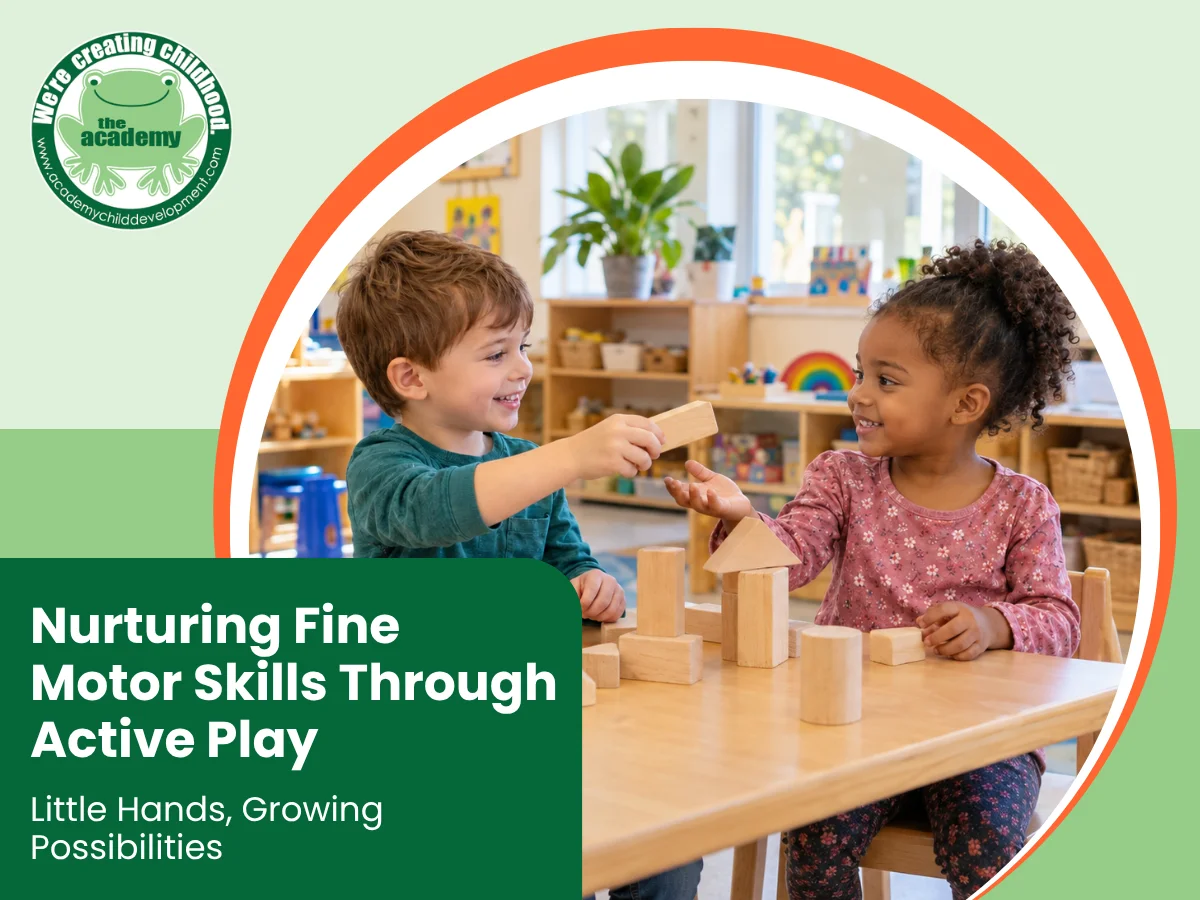
Autumn-inspired play can encourage the hand and finger movements toddlers use during meals, dressing, and other daily routines. Suitable experiences might include:
- Grasping and releasing: Pick up large fabric leaves and place them into a wide basket.
- Scooping and transferring: Move water between shallow containers using sturdy cups during supervised sensory play.
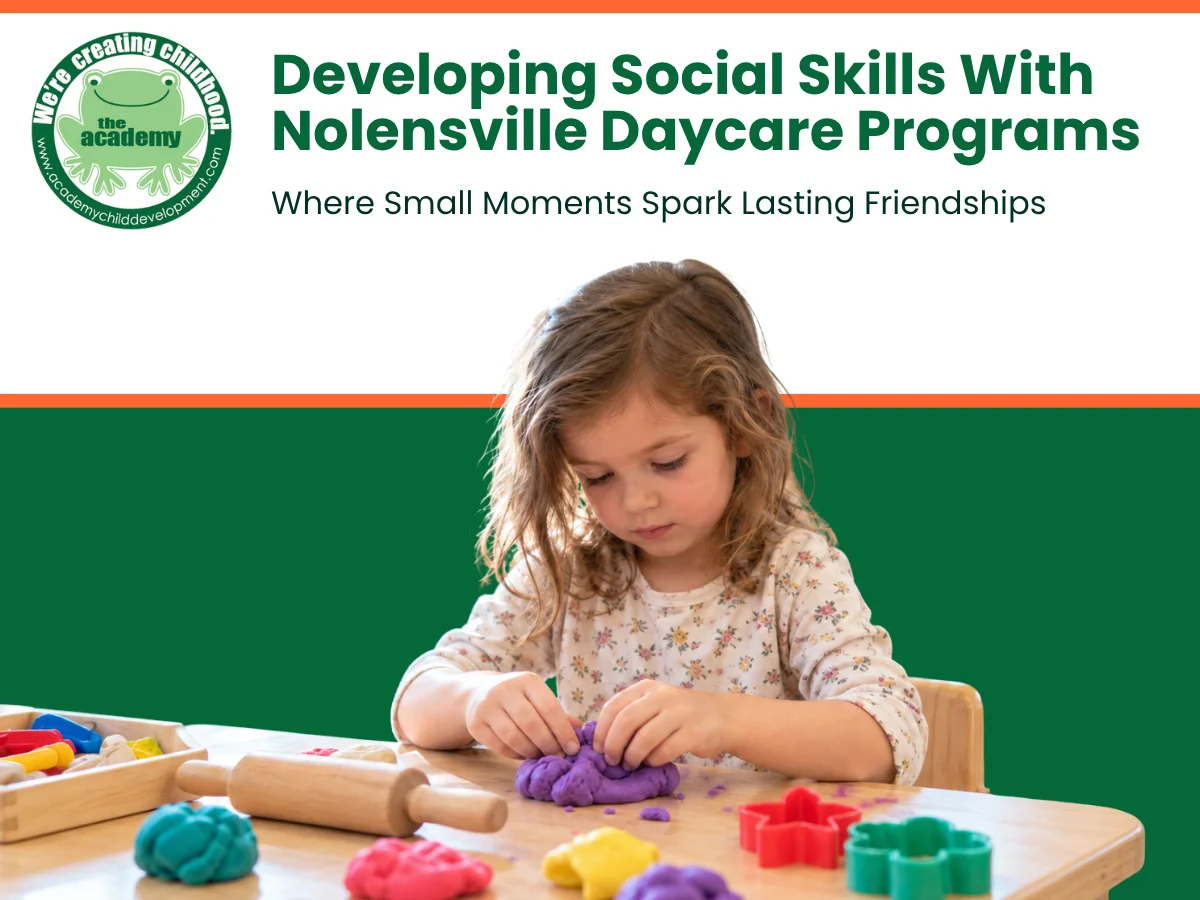
- Pressing and patting: Explore soft, age-appropriate dough using large, easy-to-hold tools.
Repeating these actions gives children time to practice hand-eye coordination without pressure to produce a finished craft.
Matching Materials to the Child
Toddlers still explore with their mouths, so select seasonal materials carefully. Small seeds, acorns, and loose decorative pieces are unsuitable for these activities.
Close supervision, accessible surfaces, and manageable choices help teachers respond to individual needs. The emphasis remains on safe exploration, gradual independence, and enjoyment of the experience.
How Families Can Extend Autumn Curiosity and Learning at Home
Autumn learning can continue through familiar family routines, without elaborate activities or special supplies. A walk after dinner, a library visit, or a conversation on the way home can give children time to revisit discoveries and share what interests them. These moments help connect classroom experiences with everyday life.
At home, parents can follow their child’s attention and allow a seasonal interest to develop naturally over several days.
Return to a Familiar Outdoor Spot
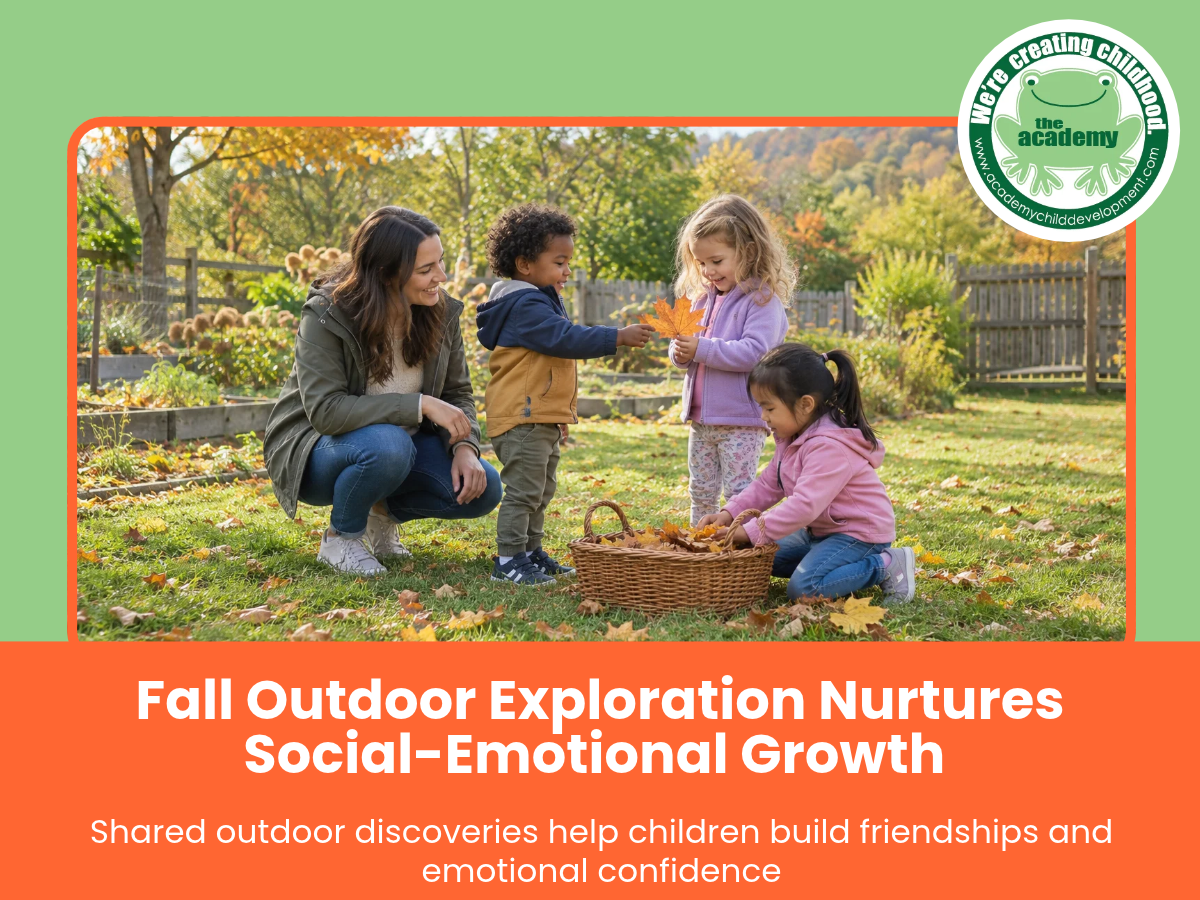
Visiting the same tree or stretch of sidewalk regularly helps children notice changes that a single outing might miss. Families can pause briefly, look together, and discuss what seems different from the previous visit.
A simple photo record can make these changes easier to revisit:
- Choose one view: Photograph the same tree or garden area each week.
- Look back together: Invite your child to point out differences between the pictures.
- Record their words: Add a short description using your child’s own observations.
You don’t need to identify every plant or explain every change. Showing interest in a child’s observations makes the experience worthwhile.
Let Books Follow Your Child’s Interests
A question raised outdoors can guide the next library visit. If a child becomes interested in falling leaves, choose a picture book that explores trees or seasonal changes.
Read at a comfortable pace, leaving room for comments and connections. A child may recognize something from a walk or remember a related classroom experience. Returning to the same book gives those connections time to develop.
Create a Simple Home-School Connection
Ask your child’s teacher which seasonal topics have attracted their attention. Sharing a related observation from home can help continue that interest at school.
These exchanges give adults a fuller understanding of what matters to the child, supporting a consistent, encouraging approach to learning across both settings.
Conclusion
Autumn’s lasting value extends beyond a seasonal activity or finished project. It lies in the habits children develop when they examine something closely, express an idea, and return to a question with new understanding. Purposeful inquiry, Frog Street learning, and thoughtful support from teachers and families can make these experiences meaningful. For children at a preschool in Murfreesboro, TN, each discovery offers an opportunity to become more confident participants in their own learning.
Discover a place for your child’s curiosity at The Academy of Berkshire. Contact our team: https://www.academychilddevelopment.com/contact/