What to Expect in a High-Quality Child Development Program

High-quality child development programs offer families a trusted foundation for learning, safety, and daily support. In the right environment, children benefit from consistent routines, caring educators, and age-appropriate activities that strengthen social, emotional, and cognitive growth.

Parents can also expect clear communication, thoughtful classroom structure, and a curriculum designed to build early skills through play and guided instruction. From cleanliness standards to intentional learning spaces, quality shows up in the small details that shape a child’s experience each day. Understanding what defines excellence can help you choose a program that aligns with your child’s needs and your family’s values.

What Makes A Quality Childcare Program Stand Out

Quality you see
A quality childcare program stands out for delivering consistency, safety, and meaningful learning throughout the day. It is not defined by a single feature, but by how well the program supports children’s development while earning parents’ trust through clear standards and dependable care.

A Safe, Healthy Environment With Clear Standards

High-quality programs follow strict safety procedures that are visible in daily routines. Classrooms are clean, materials are regularly sanitized, and drop-off and pick-up processes are organized. Strong programs also maintain appropriate child-to-teacher ratios, create secure play spaces, and ensure staff are trained in health and emergency protocols.

Educators Who Know Children And Support Their Growth

Quality begins with the people in the classroom. Teachers should be qualified, supported, and consistent so that children can build secure relationships. Families can expect educators who observe development, respond with patience, and use guidance that helps children learn social skills, emotional regulation, and independence.

Daily Structure That Balances Learning And Play

A strong program includes a predictable rhythm that helps children feel confident and engaged. Look for a schedule that includes:

  • Guided learning activities and small-group instruction
  • Outdoor play and movement each day
  • Meals and rest that match age and developmental needs
  • Time for creativity, exploration, and peer interaction

The goal is a balanced day where children learn through play and intentional teaching, not a rigid academic approach.

Communication That Keeps Parents Informed

Quality programs treat parents as partners. They communicate consistently and professionally, including updates on daily routines, milestones, and classroom learning. Clear policies, timely responses, and transparent expectations help families feel informed, supported, and confident in their child’s care.

When these elements work together, children benefit from a stable environment where learning feels natural, relationships are strong, and each day supports healthy development.

Benefits Of Early Childhood Development Programs For Growing Minds

Building skills for life
Early childhood development programs support more than early academics. They help children build the skills that shape how they learn, relate to others, and navigate new experiences. When a program is designed with intentional routines and age-appropriate guidance, children gain confidence that carries into kindergarten and beyond.

Stronger Social And Emotional Skills

Children learn how to participate in a group, express needs appropriately, and respond to boundaries with support. Over time, they practice skills such as:

  • Taking turns and sharing materials
  • Managing big feelings with teacher guidance
  • Building empathy through friendship and cooperative play
  • Developing patience and listening skills

These are foundational abilities that improve classroom readiness and daily well-being.

Early Communication, Language, And Literacy Growth

High-quality programs provide frequent opportunities for conversation, storytelling, music, and early reading. Children benefit from hearing rich vocabulary, asking questions, and learning how to communicate ideas clearly. This supports language development while strengthening attention, comprehension, and early literacy awareness in a natural, developmentally appropriate way.

Cognitive Skills Through Play And Exploration

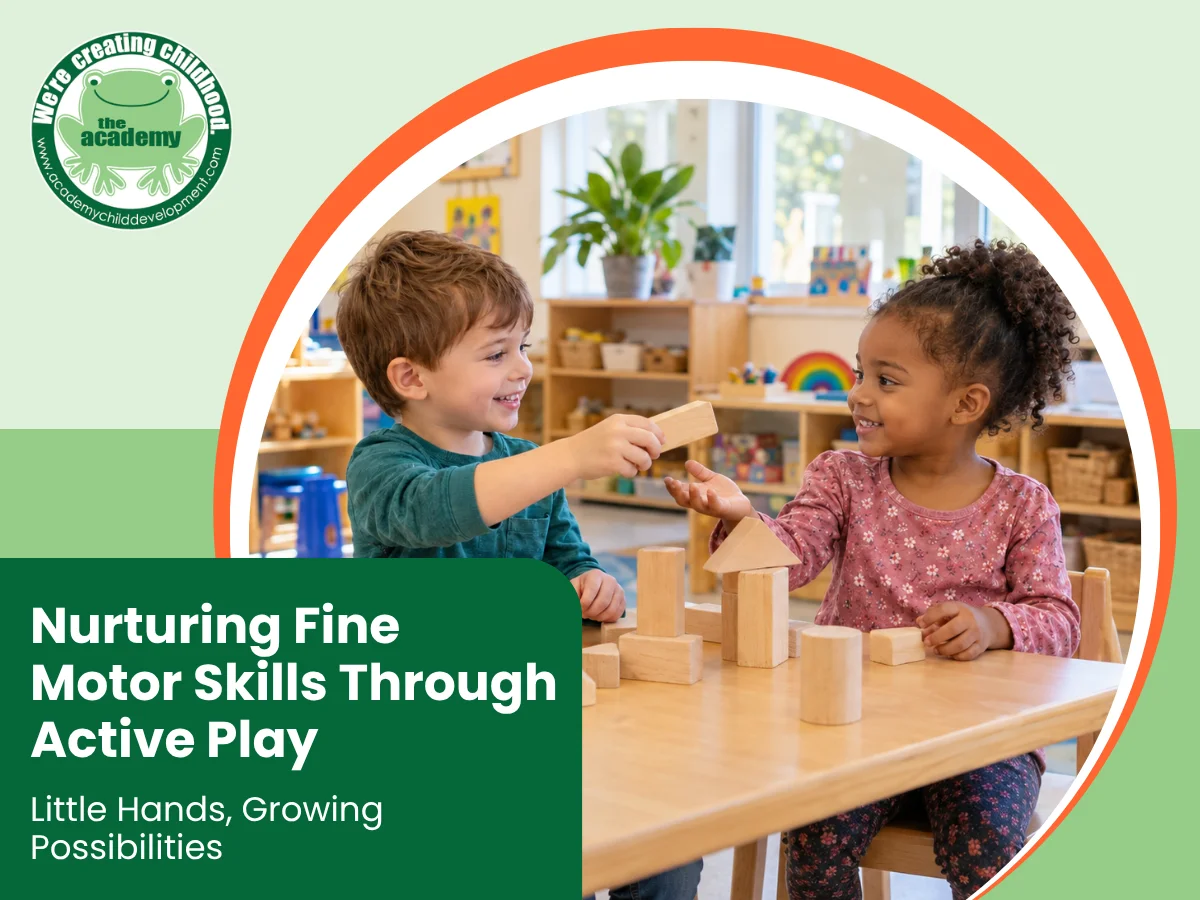
A strong program uses hands-on learning to build problem-solving and critical thinking. Children engage in activities that encourage curiosity, experimentation, and persistence, including puzzles, sensory materials, building centers, simple science exploration, and art. These experiences help children learn how to focus, try again after frustration, and follow steps toward a goal.

Independence And Practical Life Readiness

Daily routines teach children how to care for themselves and contribute to the classroom community. With consistent support, children practice skills such as washing hands, cleaning up after activities, choosing materials, and following multi-step directions. These moments develop responsibility, self-control, and confidence.

A Smoother Transition Into Kindergarten

Children who have experienced a well-structured early childhood setting often enter kindergarten with familiarity with classroom routines, group participation, and learning expectations. They are more prepared to:

  • Separate from caregivers with confidence
  • Follow the teacher’s direction in a group setting
  • Participate in early learning activities with stamina
  • Adapt to new environments and expectations

When early childhood development programs prioritize the whole child, children gain skills that support learning, relationships, and long-term growth.

Features Of A Great Preschool Program That Parents Notice

the details matter
Parents often notice the difference in a preschool program within the first few minutes of a visit. A great program feels organized, calm, and purposeful, with teachers who are engaged and children who are supported. While every school has its own approach, high-quality programs share common features that consistently show up in the classroom experience.

Warm, Responsive Teacher Child Interactions

A strong preschool program is defined by the people leading it. Parents tend to notice teachers who speak respectfully, listen closely, and guide children with patience. Quality interactions include positive redirection, encouragement, and clear expectations that help children feel safe while learning appropriate behavior.

A Balanced Day With Purposeful Play

Great programs do not rely on worksheets or rigid instruction. They use play as a learning tool while still providing structure and goals. A well-planned day typically includes:

  • Small-group learning to build early literacy and math readiness
  • Centers that support creativity, problem-solving, and social play
  • Outdoor time for movement and exploration
  • Quiet moments for rest, reading, or independent activities

This balance supports attention, emotional regulation, and steady skill development.

A Classroom Environment Designed For Learning

Parents often look for classrooms that are clean, organized, and set up for independence. Materials should be accessible, age-appropriate, and rotated with intention. Clear learning areas, labeled supplies, and inviting displays signal that the environment supports children’s curiosity and self-direction.

Developmental Milestones And Real School Readiness

Features of a great preschool program include clear learning objectives that align with how children develop. Readiness is not only academic. It includes language growth, self-help skills, early problem-solving, and the ability to participate in a group. Strong programs track progress through observation and provide support when children need extra guidance.

Consistent Communication With Families

Parents notice when a program treats families as true partners. High-quality preschools provide clear policies, regular updates, and meaningful insight into a child’s growth. Communication may include daily notes, photos, weekly learning highlights, and timely conversations when questions arise.

When these features come together, preschool becomes more than childcare. It becomes a stable, supportive setting where children build confidence, relationships, and the skills needed for long-term success.

Child Development Curriculum Benefits That Support Long-Term Growth

A strong early learning curriculum does more than fill the day with activities. It provides a clear, developmentally appropriate framework that helps children build skills step by step. When curriculum is intentional, children benefit from consistent teaching methods, meaningful practice, and learning experiences that support long-term growth across academic, social, and practical areas.

Whole-Child Learning, Not One-Size-Fits-All

Quality curriculum supports the full range of early development. It strengthens early academics while also building independence, self-regulation, and healthy relationships. Children learn best when lessons match their age and stage, so strong programs use observation and flexible pacing rather than pushing skills before children are ready.

Skills That Build A Strong Foundation For School

The benefits of a child development curriculum are most evident in how children approach learning. Instead of memorizing, children practice thinking, listening, and problem-solving. A well-designed curriculum typically supports:

  • Early language and literacy through stories, conversation, and letter awareness
  • Early math concepts such as counting, patterns, and simple measurement
  • Attention and memory through games, routines, and guided instruction
  • Curiosity and reasoning through hands-on exploration

These early foundations help children participate more confidently in future classroom settings.

Social-Emotional Growth Embedded Into Daily Learning

Curriculum should include daily opportunities to practice communication, empathy, and cooperation. Group activities, guided play, and teacher modeling help children learn how to express feelings, work through frustration, and build friendships. These skills often influence long-term success as much as academic readiness.

Consistency Across Classrooms And Age Levels

A strong curriculum creates alignment, so children experience steady progression as they move through age groups. This consistency helps reduce transitions and builds confidence because children understand expectations and routines. It also allows educators to identify skill gaps early and provide structured support.

Learning That Extends Beyond The Classroom

The best curriculum connects learning to real life. Children gain independence through everyday routines, hands-on tasks, and classroom responsibilities. This can include cleaning up, following directions, practicing personal care skills, and participating in simple group roles. Over time, these experiences build responsibility, perseverance, and confidence.

When curriculum is thoughtfully designed and well delivered, it becomes a long-term investment in a child’s ability to learn, adapt, and thrive.

Conclusion

Choosing the right early learning environment is a meaningful decision because it shapes a child’s daily experiences, relationships, and confidence during the years of rapid development. A high-quality program stands out through consistent safety standards, skilled educators, and a balanced approach that supports learning through play, routine, and purposeful instruction. Strong preschool experiences also build social-emotional growth, independence, and early academic readiness in ways that feel natural and age-appropriate. When curriculum is intentional, and communication is steady, families gain clarity and trust, and children gain the stability they need to thrive now and in the years ahead.

Ready to take the next step? Call 615-805-6676 or visit https://www.academychilddevelopment.com/contact/ to schedule a tour and learn more.