

How Much Does Daycare Cost in Franklin, TN? A Realistic 2026 Guide For Parents

Daycare costs in Franklin, TN, are among the first questions many parents ask when planning care, and the answer can vary more than expected. From infant care and toddler programs to part-time schedules and full-time preschool options, tuition often depends on your child’s age, the center’s offerings, and what is included in the program.
In a growing area like Franklin, families want clear, realistic expectations before making such an important decision. This 2026 guide will help you understand what influences daycare pricing, what you may be paying for, and how to compare options with confidence as you search for the right fit for your family.
Average Daycare Tuition in Franklin, TN: What Parents Are Really Paying in 2026
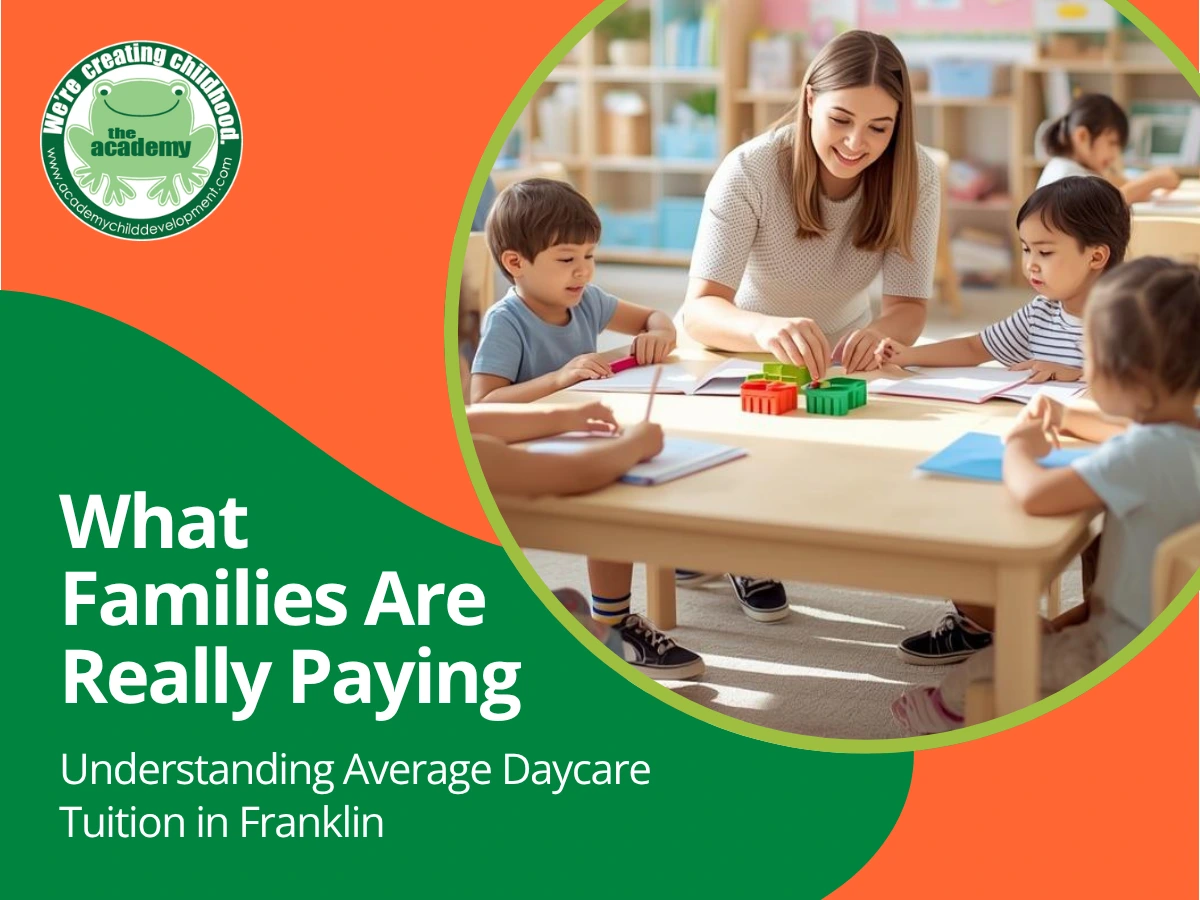
Understanding the average daycare tuition in Franklin, TN, can help families plan with greater confidence as they compare programs in 2026. While pricing varies by school, age group, and schedule, most parents quickly find that tuition is influenced by far more than location alone. A realistic view of local costs starts with knowing what shapes the price and what families are often paying in return.
What Families Can Expect to Pay
In Franklin, many families can expect full-time daycare tuition to range from roughly $700 to $1,500+ per month, depending on the child’s age, schedule, and program type. Statewide 2026 estimates place Tennessee daycare costs at $700 to $1,400 per month, while center-based infant care averages close to $999 per month. In Franklin, published local listings also show some programs reaching about $1,460 per month, which reflects how pricing can rise in higher-demand areas and for centers with longer hours or more included services.
Why Tuition Varies So Much
The average rate is not one fixed number because several factors can affect pricing, including:
- Your child’s age
- Full-time or part-time enrollment
- Teacher-to-child ratios
- Curriculum and classroom structure
- Meals, supplies, and enrichment offerings
- Program hours and before or after care options
These differences can make one center appear more affordable than another at first glance, even when the overall value is not the same.
Age Often Plays a Major Role
Infant classrooms typically cost more because they require more individualized attention and lower teacher-to-child ratios. Toddler care may remain relatively high, while preschool and pre-K programs sometimes become more budget-friendly as children grow older and classroom structures change.
Looking Beyond the Tuition Number
For many families, the most helpful approach is to view tuition as part of a larger picture. A lower monthly rate may not always include the same level of care, educational support, or convenience. When comparing options, it is important to consider what is included and whether the program aligns with your child’s needs and your family’s priorities.
Childcare Prices in Franklin, TN: Why Costs Can Vary From One Program to Another
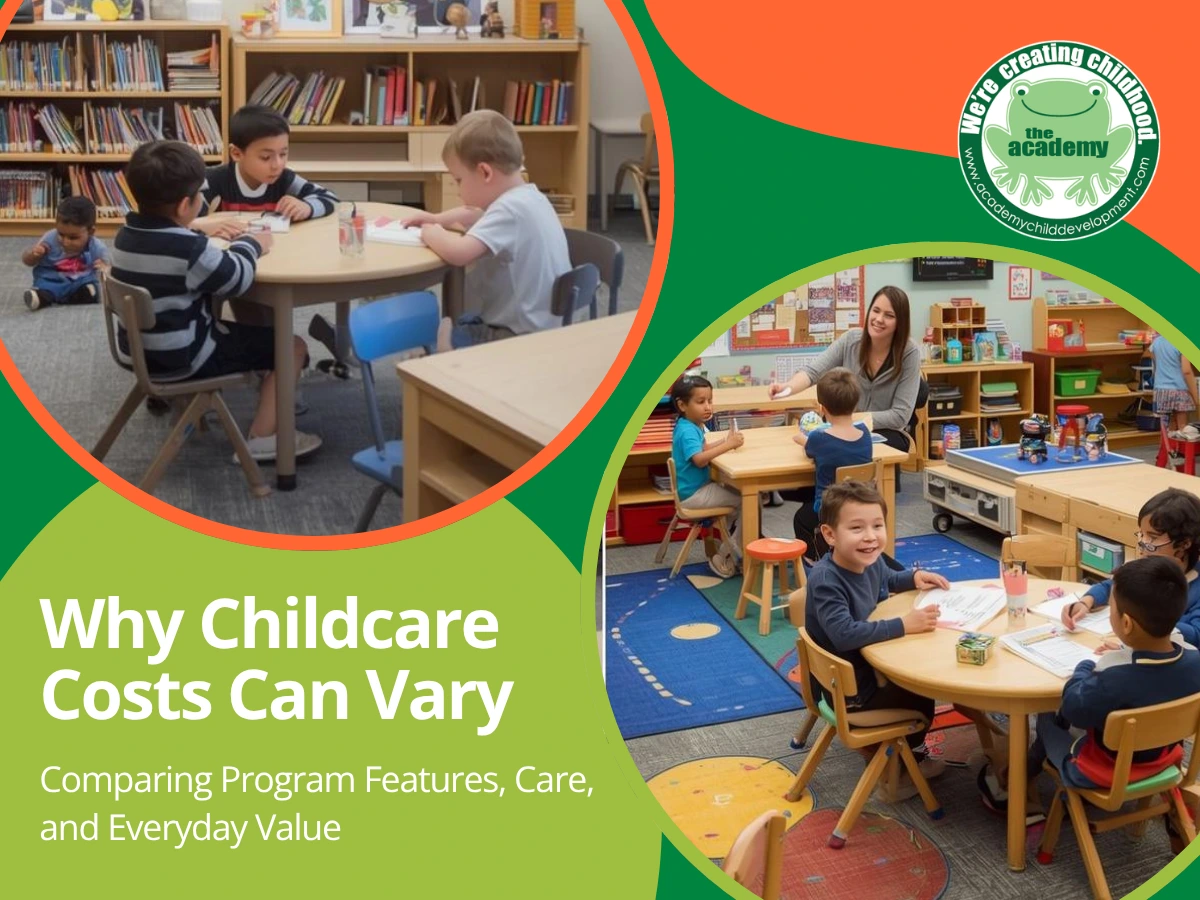
When families begin comparing childcare prices in Franklin, TN, it quickly becomes clear that tuition varies from one program to the next. Two centers may both offer care for young children, yet the monthly cost can vary widely depending on what is included, how the program is structured, and the level of support provided throughout the day.
Age and Classroom Ratios Matter
One of the biggest pricing factors is your child’s age. Infant care is often more expensive because younger children need more hands-on attention, more frequent care routines, and lower teacher-to-child ratios. As children move into toddler and preschool classrooms, costs may shift as classroom structure and staffing needs change.
What Is Included in the Tuition?
Some programs offer a more all-inclusive model, while others charge a lower base rate and add fees separately. Tuition may reflect items such as:
- Meals and snacks
- Learning materials and classroom supplies
- Enrichment activities
- Extended care hours
- Technology or parent communication tools
A higher price does not always mean a program is overpriced. In many cases, it means more is built into the overall experience.
Program Philosophy and Quality Standards
Childcare costs can also vary based on the program’s educational approach, staff qualifications, and overall environment. Centers that invest in experienced teachers, professional development, strong safety practices, and thoughtfully designed learning spaces may naturally have higher tuition. For many families, those features add meaningful long-term value.
Schedule and Flexibility Can Affect Cost
Another major factor is the type of schedule a family chooses. Full-time care, part-time enrollment, school-day options, and extended-hour programs can all come with different pricing structures. Families who need more flexibility may find that convenience plays a role in the final monthly rate.
Preschool Tuition in Franklin, Tennessee: What Families Should Expect at Each Stage

Preschool tuition in Franklin, Tennessee, often changes as children move from one stage to the next. While every school structures tuition differently, families will usually notice that pricing reflects classroom ratios, daily routines, educational goals, and the amount of support children need at each age. Understanding those stage-by-stage differences can make it easier to compare programs with realistic expectations.
Early Preschool: A Higher Level of Daily Support
For younger preschool children, tuition may remain high because these classrooms still require close supervision, more hands-on guidance, and extra support with routines such as toileting, transitions, and early social development. At this stage, families are often paying for a balance of nurturing care and structured learning.
Preschool: More Structure, More Learning
As children grow, preschool programs often place greater focus on:
- Early literacy and language development
- Number recognition and problem-solving
- Social-emotional growth
- Classroom routines and independence
Because children at this stage may be more independent than younger age groups, tuition can sometimes level out. However, strong academic programming, enrichment activities, and experienced teachers may still influence the overall rate.
Pre-K: School Readiness Becomes the Focus
Pre-K tuition often reflects a more advanced learning environment designed to prepare children for kindergarten. Families may see added value in programs that include:
- Kindergarten readiness instruction
- Small-group learning activities
- Fine motor and early writing practice
- Social confidence and classroom responsibility
In some cases, Pre-K may feel more tuition-efficient than earlier stages, but this depends on the program model and what is included.
Understanding Registration Fees, Supply Costs, and Other Added Expenses

Monthly tuition is only one part of the total cost of childcare. As families compare programs, it is important to look at the full picture, including one-time and recurring fees that may not appear in the base tuition rate. These added expenses are common, but they can vary from one center to another.
Common Upfront Costs
Many childcare programs charge an initial enrollment fee. This may include:
- Registration or enrollment fees
- Annual re-enrollment fees
- Supply or activity fees
- Deposit fees to hold a spot
These charges help cover administrative setup, classroom preparation, and space reservation. While they may seem small compared to monthly tuition, they can still affect a family’s budget at the start of care.
Ongoing Costs Families Should Ask About
Some expenses continue throughout the year rather than appearing only once. Depending on the program, families may encounter added costs for:
- Field trips or special events
- Summer programs or seasonal activities
- Late pickup fees
- Extra hours beyond the standard schedule
- Optional enrichment classes
A program with a lower tuition rate may still become more expensive over time if several of these fees are billed separately.
Supplies, Meals, and Daily Essentials
Another key question is what the tuition actually includes. Some centers bundle many daily essentials into one rate, while others may ask families to provide certain items themselves. These can include diapers, wipes, meals, snacks, bedding, or classroom supplies. Understanding this early can help families avoid unexpected expenses later.
Why Transparency Matters
When comparing childcare options, clear pricing is just as important as the number itself. Families benefit from asking for a full fee breakdown before enrolling, including both required and optional costs. A program that is upfront about registration fees, supply costs, and added expenses helps parents plan more confidently and make a decision that feels manageable over the long term.
Conclusion
Finding the right childcare option is about more than comparing numbers on a page. When families understand how tuition, program structure, age-based care, and additional expenses work together, it becomes much easier to make a confident, informed decision. In Franklin, the cost of care can vary, but so can the value behind that investment. A thoughtful program should support your child’s growth, fit your family’s needs, and provide the trust and consistency that matter most during these early years.
To learn more about enrollment and explore your options, contact Academy Child Development at 615-805-6676 or visit https://www.academychilddevelopment.com/contact/.