

How To Recognize If Your Child Is Being Challenged Enough In A Preschool Setting
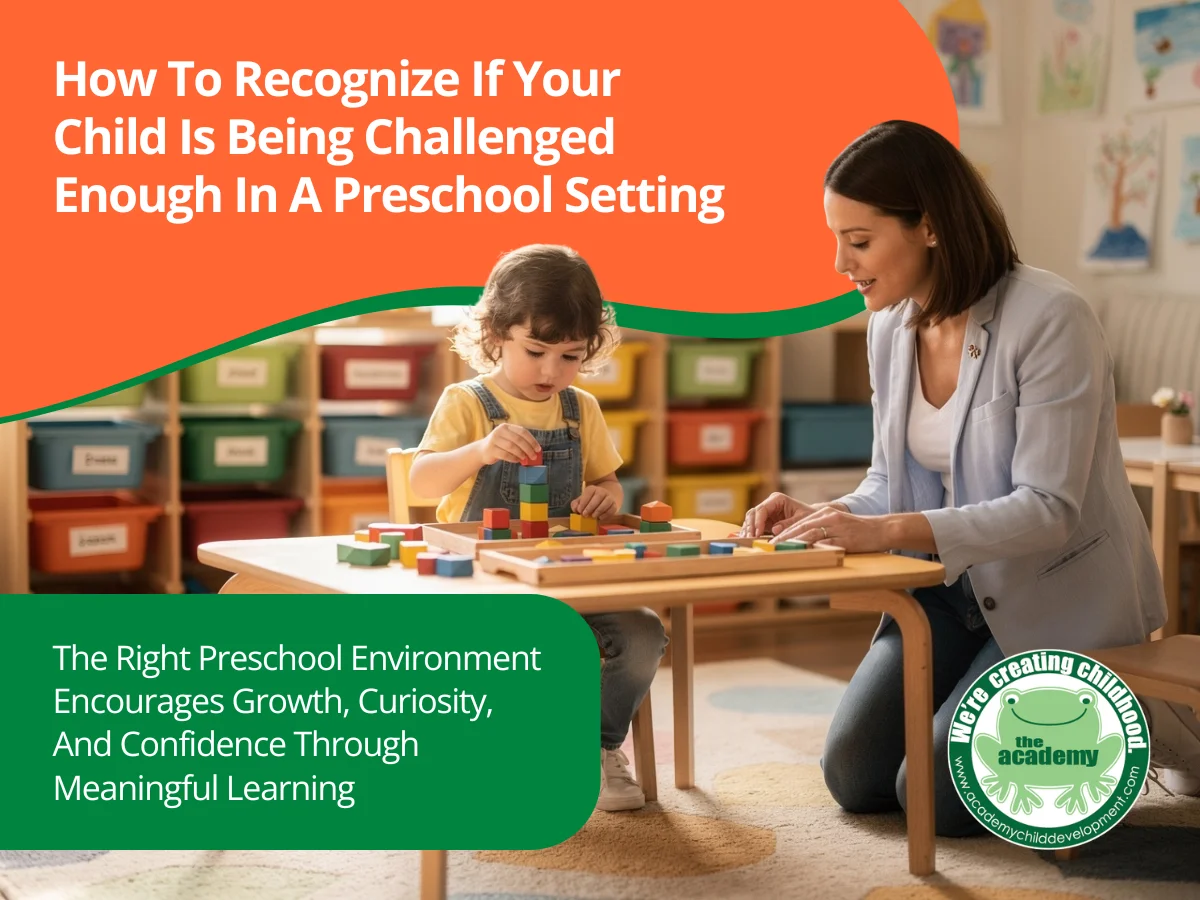
Is my child challenged enough in preschool is a question many parents naturally ask as their child grows, learns, and begins showing new abilities. A strong preschool environment should do more than keep children busy. It should encourage curiosity, build confidence, and support steady progress through age-appropriate learning experiences.
When children are appropriately challenged, they are often engaged, excited to participate, and given opportunities to think, explore, and develop new skills. Recognizing the signs of meaningful academic, social, and emotional growth can help parents better understand whether a preschool setting is supporting their child in ways that are both nurturing and developmentally appropriate.
Preschool Learning Progression Signs Parents Should Notice
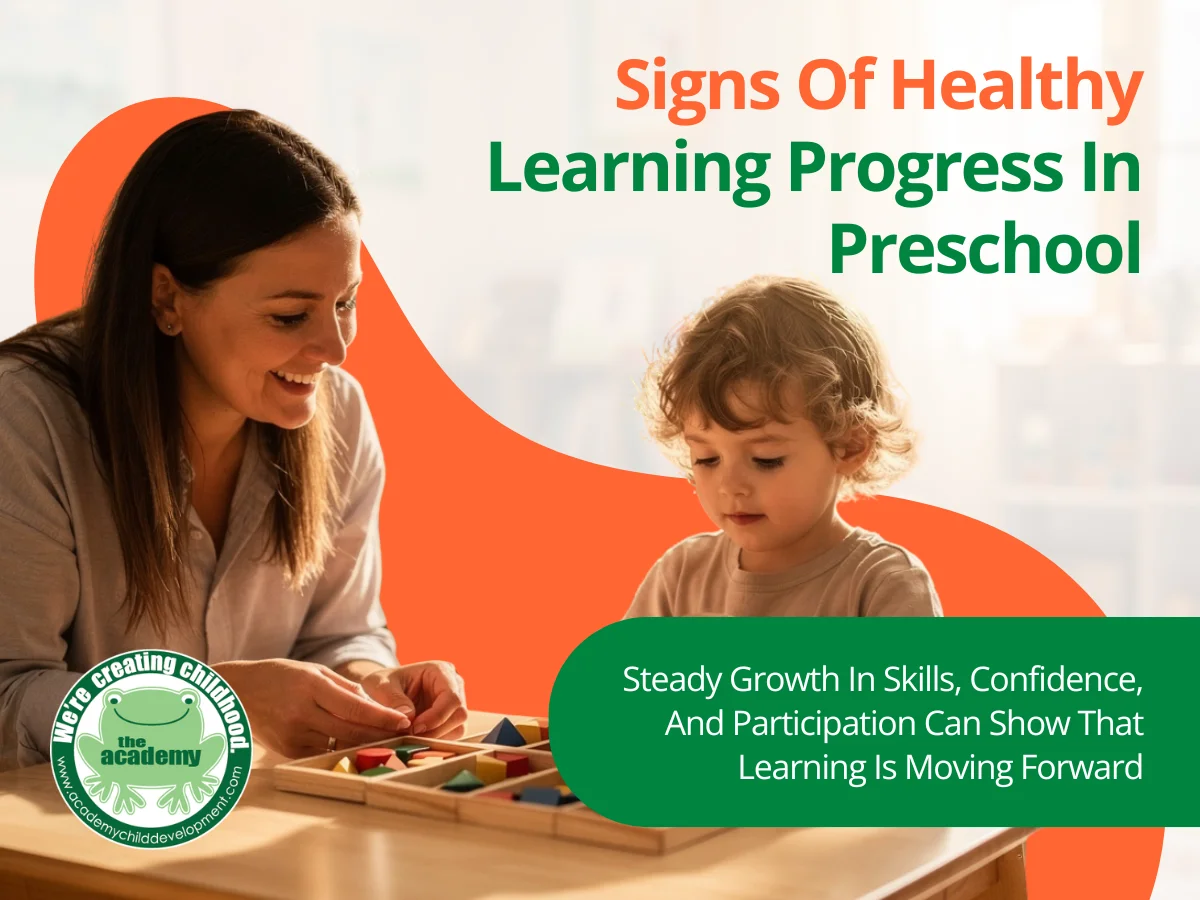
One of the clearest ways to tell whether a preschool setting is providing the right level of challenge is to look for steady progress over time. Preschool learning progression signs are not always dramatic, but they often appear in the small skills children build day by day. A strong classroom supports development in a way that feels intentional, helping children grow without creating frustration or pressure.
Growth Across More Than One Area
Learning progression should be visible in several parts of a child’s development. Academic readiness matters, but so do communication, independence, problem-solving, and social confidence. When a child is challenged in healthy ways, progress often appears across multiple areas rather than in a single isolated skill.
Parents may notice signs such as:
- Using clearer language to express needs and ideas
- Following directions with less support
- Showing more independence during routines
- Asking thoughtful questions during play or learning
- Staying engaged with activities for longer periods
Confidence Paired With Effort
Meaningful progress often looks like a child doing things that once required more help. They may still need guidance, but they are beginning to show greater willingness to try, repeat, and improve. This matters because real learning is not only about getting the right answer. It is also about building confidence through effort, practice, and encouragement.
Increasing Curiosity and Participation
Children who are appropriately challenged are often more interested in what happens at school. They may talk about classroom activities, bring home new ideas, or show pride in what they have learned. This growing curiosity can be a strong sign that the preschool environment is helping them move forward in a way that feels both supportive and stimulating.
Progress That Feels Consistent
Healthy learning progression is usually steady rather than rushed. A strong preschool program helps children build one skill on top of another, creating a clear path for continued development. When parents see consistent growth in ability, confidence, and engagement, it often suggests that their child is being challenged in a thoughtful, developmentally appropriate way.
How Early Education Challenge Levels Support Growth
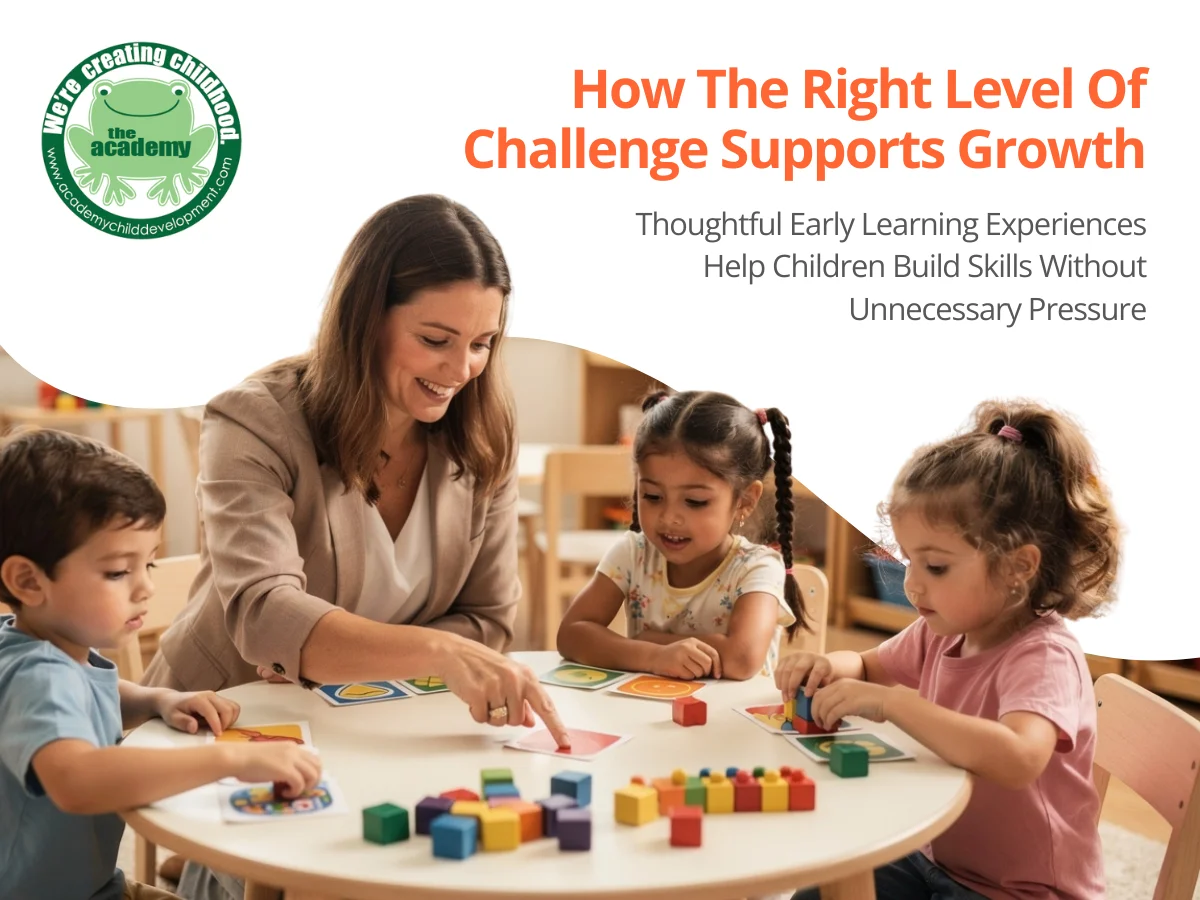
The right level of challenge can play an important role in how children grow during the preschool years. Early education challenge levels should encourage progress without creating unnecessary pressure. When a preschool setting strikes that balance well, children are often more willing to participate, try new skills, and build confidence through everyday learning experiences.
Challenge Should Feel Age-Appropriate
A healthy preschool environment does not expect children to perform far beyond their developmental stage. Instead, it introduces skills, routines, and activities that stretch their thinking in manageable ways. This may include more detailed instructions, longer attention-building tasks, or opportunities to make choices and solve simple problems independently. When a challenge is age-appropriate, children are more likely to stay engaged and feel capable.
Growth Often Happens Through Guided Practice
Children do not need to master everything immediately to benefit from challenge. In many cases, growth happens when teachers offer support while still encouraging children to do part of the work themselves. This helps children develop resilience, patience, and confidence while learning that effort is part of the process.
Helpful signs of healthy challenge may include:
- Children trying tasks before asking for help
- Teachers asking open-ended questions
- Activities that build on previous skills
- Gentle encouragement to keep going after mistakes
Balanced Challenge Builds More Than Academic Skills
Early education challenge levels also affect social and emotional development. When children are encouraged to take small risks, speak up, cooperate, and work through frustration, they begin building skills that matter well beyond the classroom. These moments support independence and help children feel more prepared for future learning.
The Right Environment Encourages Forward Movement
A strong preschool program creates opportunities for children to keep moving forward at a steady pace. When a challenge is thoughtful and well-supported, children are more likely to stay curious, participate actively, and take pride in their progress. Over time, this kind of environment helps children grow in both their abilities and their confidence.
Childcare Curriculum Depth Signs That Matter
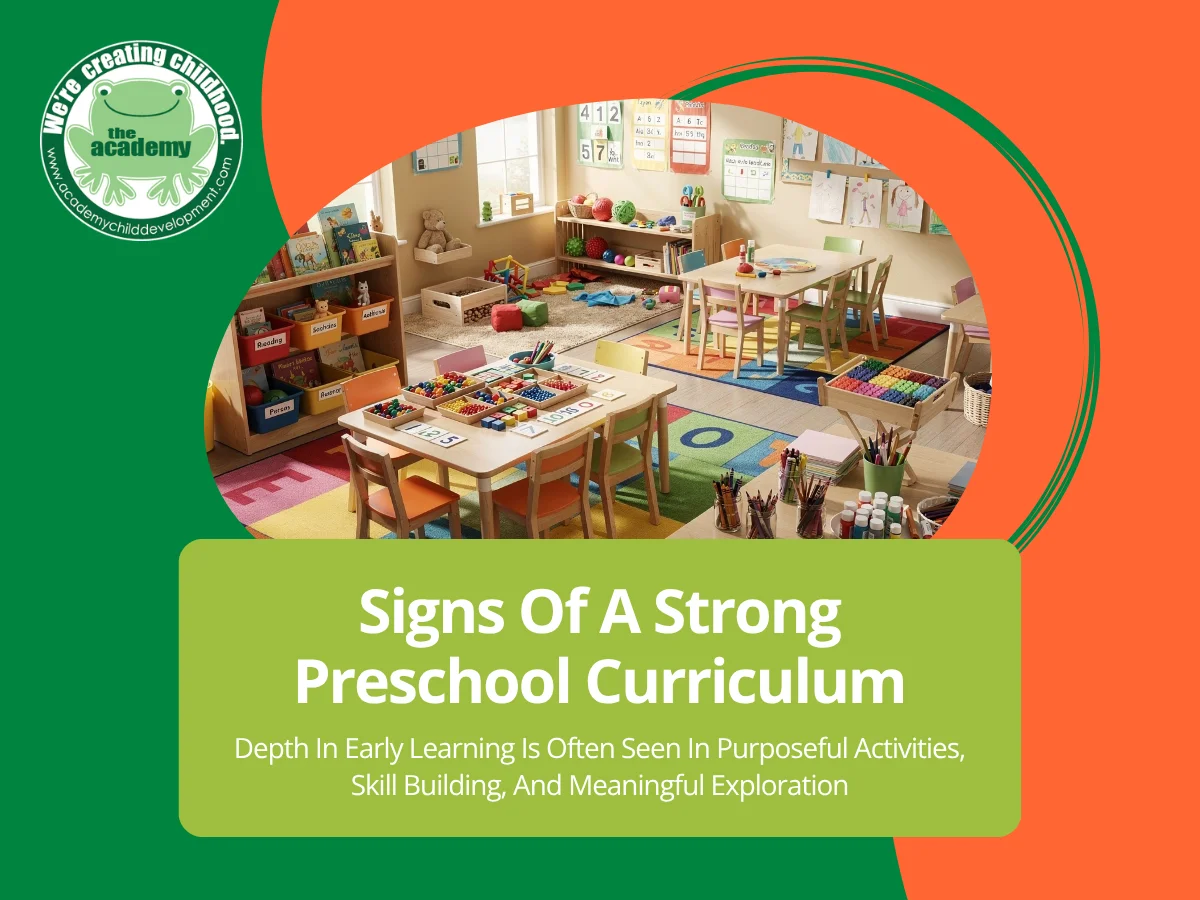
A preschool curriculum should offer more than a full schedule. It should show clear purpose, thoughtful progression, and meaningful growth opportunities. When parents look for signs of depth in childcare curriculum, they are often trying to understand whether learning goes beyond simple repetition and surface-level activities. A deeper curriculum helps children build skills step by step while encouraging curiosity, confidence, and active participation.
Learning With Clear Purpose
One important sign of curriculum depth is planning. Activities should connect to broader learning goals rather than feel random or purely time-filling. For example, a classroom project may support language development, fine motor skills, early math thinking, and social interaction simultaneously. This type of structure often shows that the program is designed to support the whole child.
Parents may notice signs such as:
- Activities connected to weekly or monthly learning themes
- Teachers explaining the purpose behind classroom work
- Lessons that build on earlier concepts
- A balance of play, structure, and exploration
More Than Basic Exposure
A strong curriculum does not stop at introducing ideas once. It gives children repeated opportunities to practice, apply, and expand their understanding. Children may revisit skills in different ways through art, movement, reading, discussion, and hands-on play. This kind of repetition with variety helps learning become more meaningful and lasting.
Opportunities for Thinking and Problem-Solving
Curriculum depth is also visible in how children are encouraged to think. Rather than only following directions, they should have chances to ask questions, make choices, test ideas, and work through simple challenges. These moments help children become active learners instead of passive participants.
How Engagement and Curiosity Reflect Healthy Learning
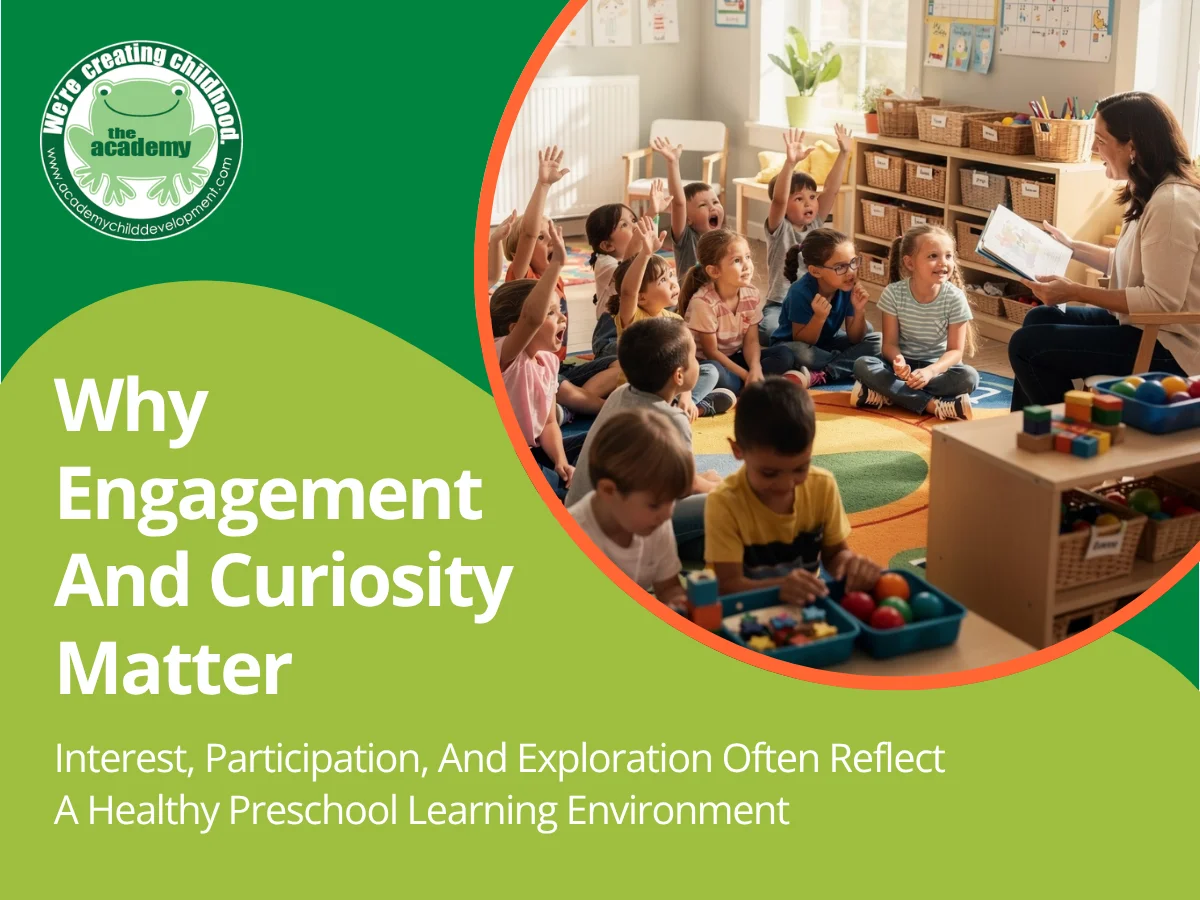
Engagement and curiosity are often some of the clearest signs that a child is being appropriately challenged in preschool. When learning experiences are well-matched to a child’s developmental stage, children are more likely to participate actively, ask questions, and show interest in what happens throughout the day. Healthy learning does not always look like quiet academic performance. In many preschool settings, it is reflected in attention, excitement, exploration, and a growing willingness to try new things.
Active Participation Shows Meaningful Connection
Children who are engaged are usually not just present in the classroom. They are involved in what they are doing. This may look like joining group discussions, staying focused during hands-on activities, or showing pride in completing a task. Active participation often suggests that the learning experience is holding their attention in a positive and developmentally appropriate way.
Helpful signs may include:
- Asking questions during lessons or play
- Talking about school activities at home
- Returning to favorite learning centers with interest
- Showing excitement about new materials or ideas
Curiosity Reflects a Growing Mind
Curiosity is an important part of early learning because it shows that a child is beginning to think beyond simple instructions. A curious child may wonder how something works, ask why an event happened, or explore more than one way to complete an activity. These behaviors often suggest that the classroom encourages discovery rather than merely directing behavior.
Interest and Challenge Often Work Together
When a preschool classroom provides the right level of challenge, children are often motivated to stay involved. They may need support at times, but they are generally willing to try, repeat, and explore. This balance matters because children are more likely to grow when learning feels stimulating without becoming overwhelming.
Conclusion
Determining whether your child is being challenged enough in preschool often requires looking beyond busy schedules and simple classroom activities. Meaningful growth is usually reflected in steady progress, age-appropriate challenges, thoughtful curriculum, and a genuine sense of curiosity about learning. When a preschool environment encourages children to think, participate, build confidence, and develop skills across multiple areas, it often indicates that the program supports both immediate development and long-term readiness. For parents, these signs can offer reassurance that their child is learning in a nurturing, purposeful, and prepared setting that will help them keep growing.
To learn more about a preschool environment designed to support steady growth and meaningful learning, visit https://www.academychilddevelopment.com/contact/ or call 615-805-6676.